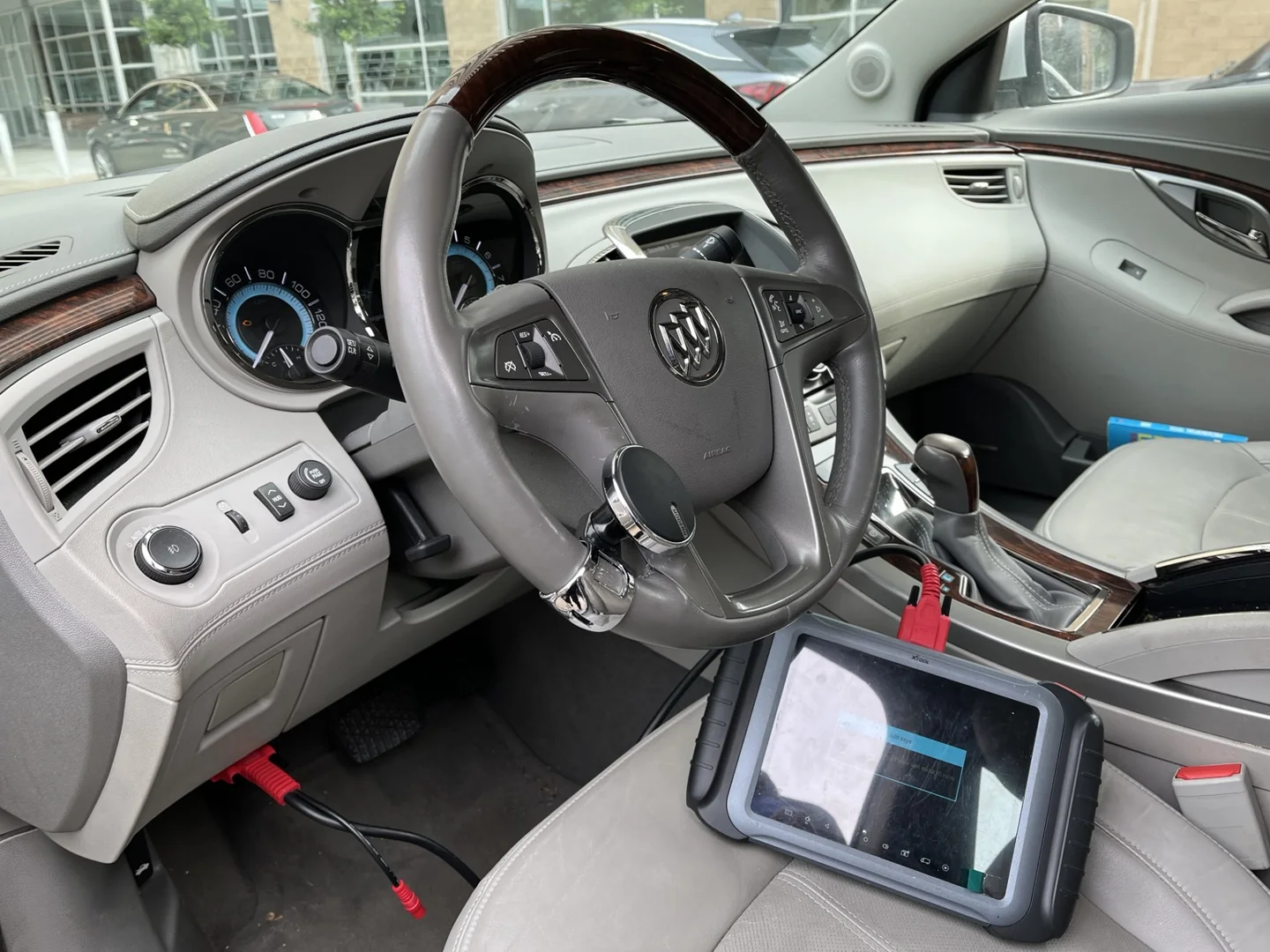
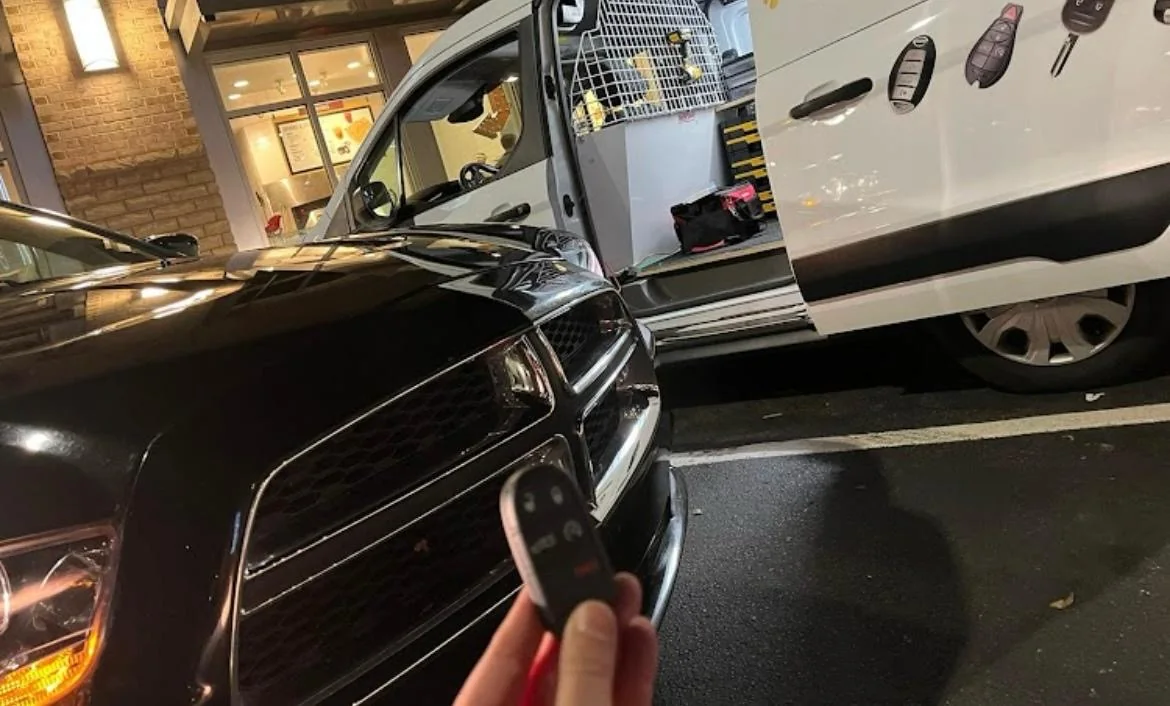
Car key replacement depends on the vehicle’s exact key system. A plain mechanical key, a remote-head key and a proximity fob can involve different parts, preparation and programming.
A spare and an all-keys-lost request differ
Tell us whether any working key remains and whether it starts the vehicle normally. Some manufacturer procedures depend on having existing working keys; an all-keys-lost situation can require a different process or dealer involvement. Mobile capability must be confirmed for the specific year, make, model and system.
Confirm the complete replacement scope
Clarify whether the proposed work includes the physical blade, remote functions and immobilizer recognition. A key that turns a lock is not necessarily authorized to start the vehicle. Ask which supplied parts are included and whether customer-supplied or used parts are supported before purchasing anything.
Protect your vehicle information
Have proof of identity and authority available for verification. Do not put a full VIN, key-security label or key code in a public description or photo. Provide sensitive identification only through the agreed secure process. Price and timing should be confirmed after compatibility and parts availability are reviewed.
Ask what the replacement includes
Depending on the vehicle, a replacement may involve a compatible key or fob, a mechanical blade, electronic programming and functional checks. Ask which elements are included before approving the scope. State whether all keys are lost and whether you supplied the part. The team must verify compatibility rather than relying only on a matching case, button layout or online listing.
What to have ready
• Vehicle year, make and model • Key type and whether a working key remains • Vehicle location and any relevant key warning