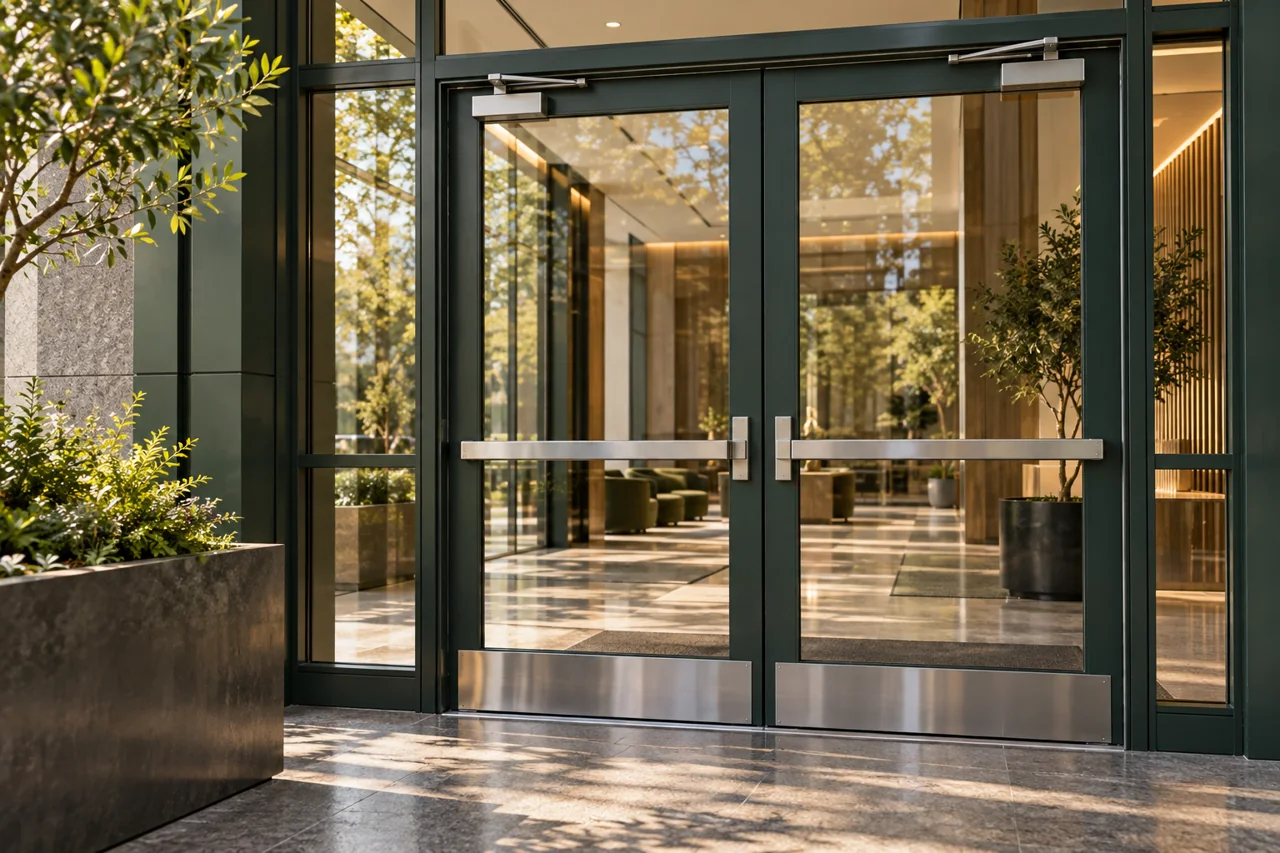
Commercial locksmith work should support reliable entrances, controlled access and clear purchasing decisions. For an office, storefront or managed property, th
Think in openings, permissions and operating needs.
Commercial locksmith work starts with how a building is used. A front entrance, stockroom and shared corridor have different jobs. A useful scope records the door, its hardware, the people authorized to approve work and what a successful repair must achieve.
Identify the property, unit or door label and include clear photographs. Describe whether the door fails to open, close, latch or lock, and when the symptom occurs. Note existing access-control connections without sharing codes or credentials in a general message.
02
Keep approval and spending visible
A purchase order, named requester and approved budget help prevent confusion. Clarify whether the budget covers assessment only or authorized work, who can approve a change and whether a written estimate is needed before additional work proceeds.
03
Plan for turnover and daily use
Consider who holds keys today and how access will change when staff or tenants leave. A master key plan is a permissions decision as well as a hardware decision. Document the desired access structure and arrange secure handling of key records.
UNDERSTAND YOUR HARDWARE
A better fit for the way you use your door.
Learn the differences before choosing a replacement. The right solution depends on the complete system.
WORKPLACE HARDWARE
Commercial lever locks
Lever hardware combines everyday opening with a selected locking function. An office entry, storeroom and privacy door can need different behavior.
Useful for
Offices and commercial interior openings with a suitable door preparation.
What to check
Door function, traffic, handing, existing preparation and accessibility requirements.
The lock body sits in a pocket within the door. Matching replacement hardware means identifying the existing case, trim, cylinder and opening function.
Useful for
Existing commercial or residential doors already prepared for a mortise system.
What to check
Manufacturer and model markings, case dimensions, trim and door condition.
A closer manages the movement of a door. Slamming, dragging or failure to latch can involve hinges, alignment, seals or hardware as well as the closer.
Useful for
Storefronts and shared entrances that need predictable closing and latching.
What to check
Door size, mounting, condition, opening force and how the latch engages.
A brand is a starting point. Hardware model, vehicle year and the exact system determine what is compatible.
Lock & door hardware examples
YaleKwikset
Brand names and logos identify products and vehicles. They do not imply manufacturer authorization, affiliation or guaranteed service coverage. Contact us with the exact hardware or vehicle details.
Commercial locksmith work should support reliable entrances, controlled access and clear purchasing decisions. For an office, storefront or managed property, the useful starting point is the opening and the organization’s access policy—not a generic replacement part.
Build a door and access inventory
Give each affected opening a recognizable identifier and record the hardware format, known key-system owner and reported fault. Separate tenant doors from shared building entrances. A mixed property may include cylindrical locks, mortise hardware, narrow-stile products, exit devices and electronic access. Each has different compatibility and service questions.
Preserve exit function while controlling entry
Commercial security has to work alongside safe exit. Panic hardware, closers, fire-rated assemblies and special locking arrangements require appropriate products and qualified review. A photograph helps identify equipment but cannot certify compliance. Do not improvise additional locking or obstruct an exit while arranging repair.
Make authorization part of the work order
Identify the request opener, on-site contact, PO reference and any approved spending ceiling. Define whether additional work needs an estimate and who can approve it. A clear completion record can include the affected door, work performed, materials, approved variations and authorized before-and-after photographs. Avoid placing alarm codes or sensitive key schedules in ordinary notes.
Plan maintenance and staff changes
Key turnover, credential removal and periodic hardware checks belong in the property’s access process. Rekeying a cylinder does not remove electronic access; replacing a reader does not automatically update key records. Refer to the current business and emergency hours shown with our contact details. Specific scope and appointments still require confirmation.
What to have ready
• Company, property, building and door identifier
• Fault, hardware photos and site contact
• PO, approval ceiling and authorized approver
AI-generated educational illustration · service scope is confirmed individuallyUSEFUL ANSWERS
Commercial locksmith questions
Can I request work for a common entrance?+
The system or property owner must authorize work at that opening. A tenant’s authority may be limited.
Can all our doors share one key?+
A compatible, authorized key system may support this, but access boundaries and future changes should be designed first.
Is access-control work automatically included?+
No. Supported platforms, project requirements and responsibility for additional trades must be confirmed.