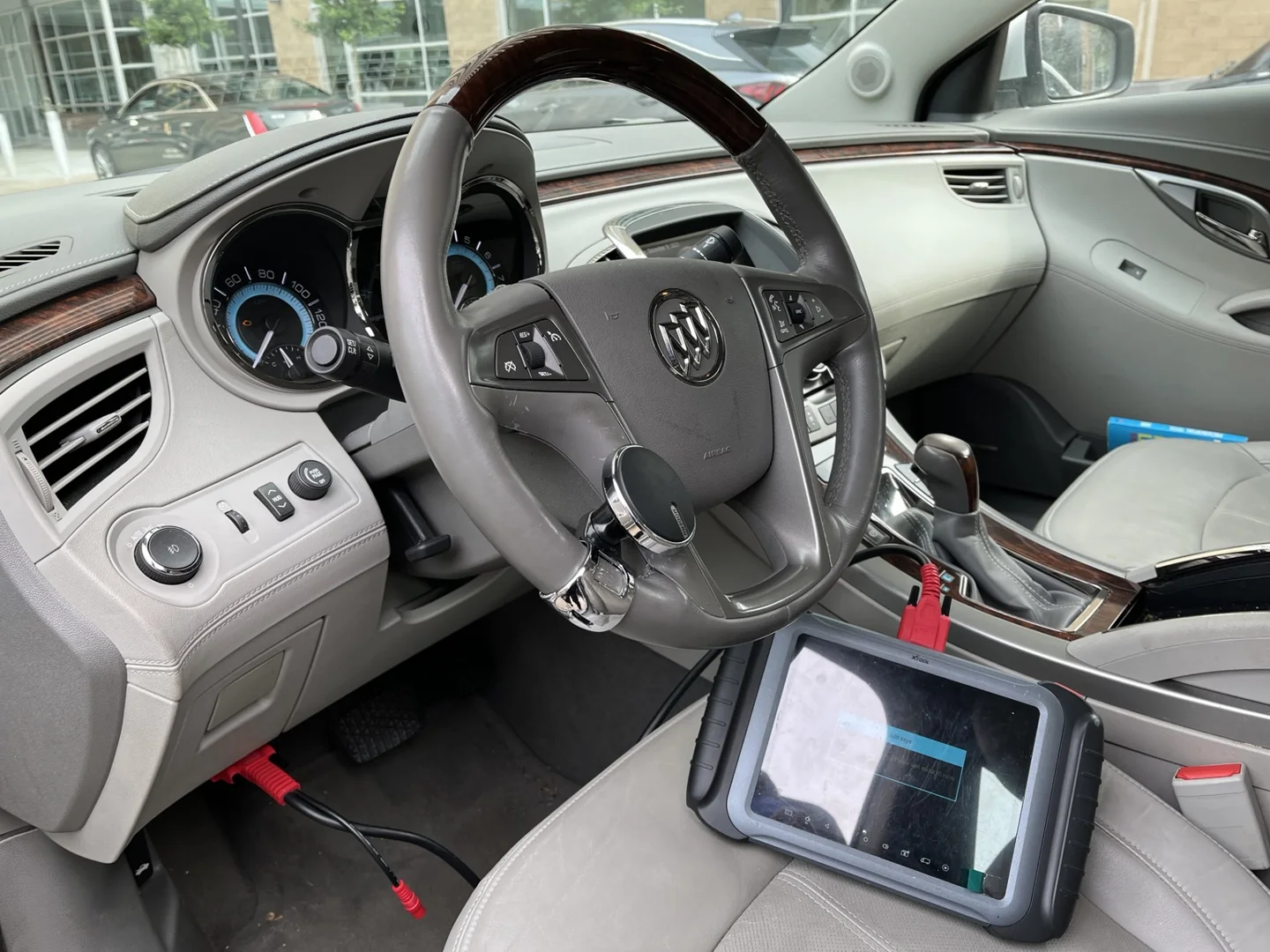
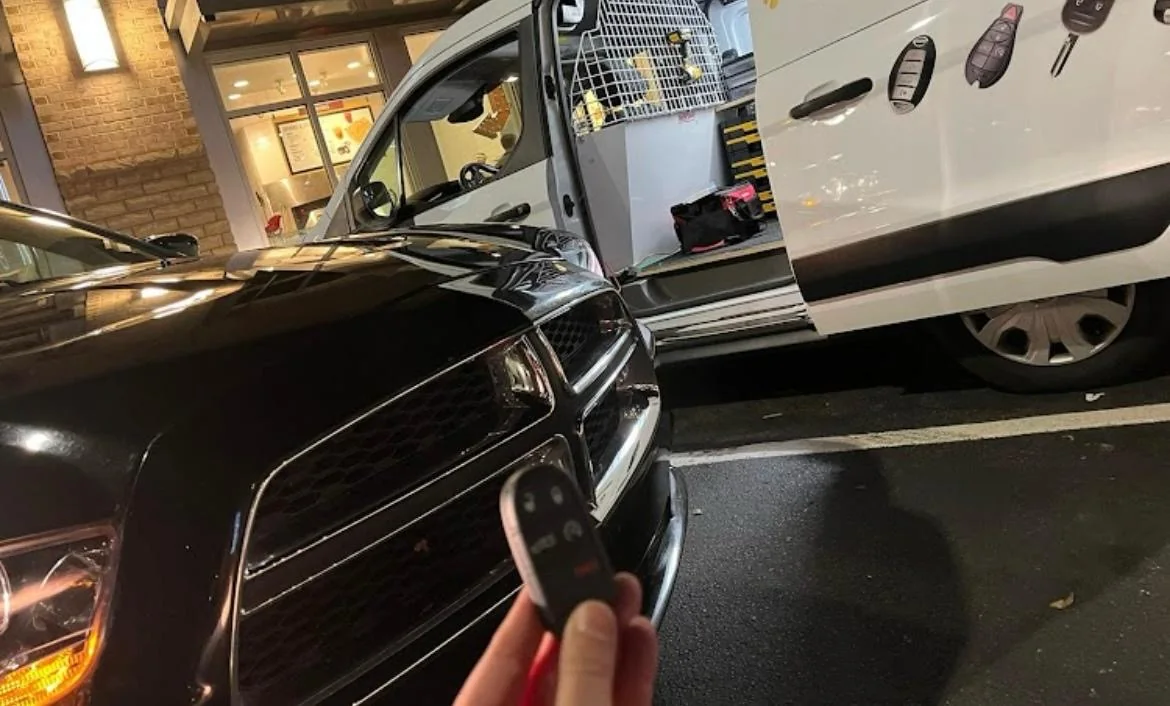
Key fob programming is specific to both the vehicle and the fob. Two remotes with similar cases can differ in electronics, supported functions and programming eligibility.
Identify the part before the appointment
Provide the vehicle year, make and model, whether another key works, and the replacement part number when available. Tell us whether the fob is new, previously used or supplied by you. Compatibility and the supported procedure need review before a programming appointment is confirmed.
Separate remote functions from starting authorization
Door locking, passive entry and immobilizer authorization are related but distinct functions. Describe exactly what fails: buttons, key detection or engine starting. A weak battery, damaged unit or vehicle-side fault may not be solved by programming. Avoid assuming that every no-start message means the key has lost its programming.
Check the agreed functions at handover
The work scope should identify the supported functions and which keys need to be present. After an authorized procedure, check the intended lock, unlock and starting behavior. Keep account information and vehicle security details private; do not upload key codes or a full VIN to general request fields.
Use a functional handover checklist
Before work, distinguish remote buttons, passive entry and engine starting. Agree which supported functions will be tested with the supplied or replacement fob. Bring existing keys when requested for the vehicle-specific procedure. A used or customer-supplied fob may be ineligible even when its case matches, so confirm the part before arranging programming-only work.
What to have ready
• Vehicle details and any displayed warning • Fob part number and new or used condition • Whether another key starts the vehicle