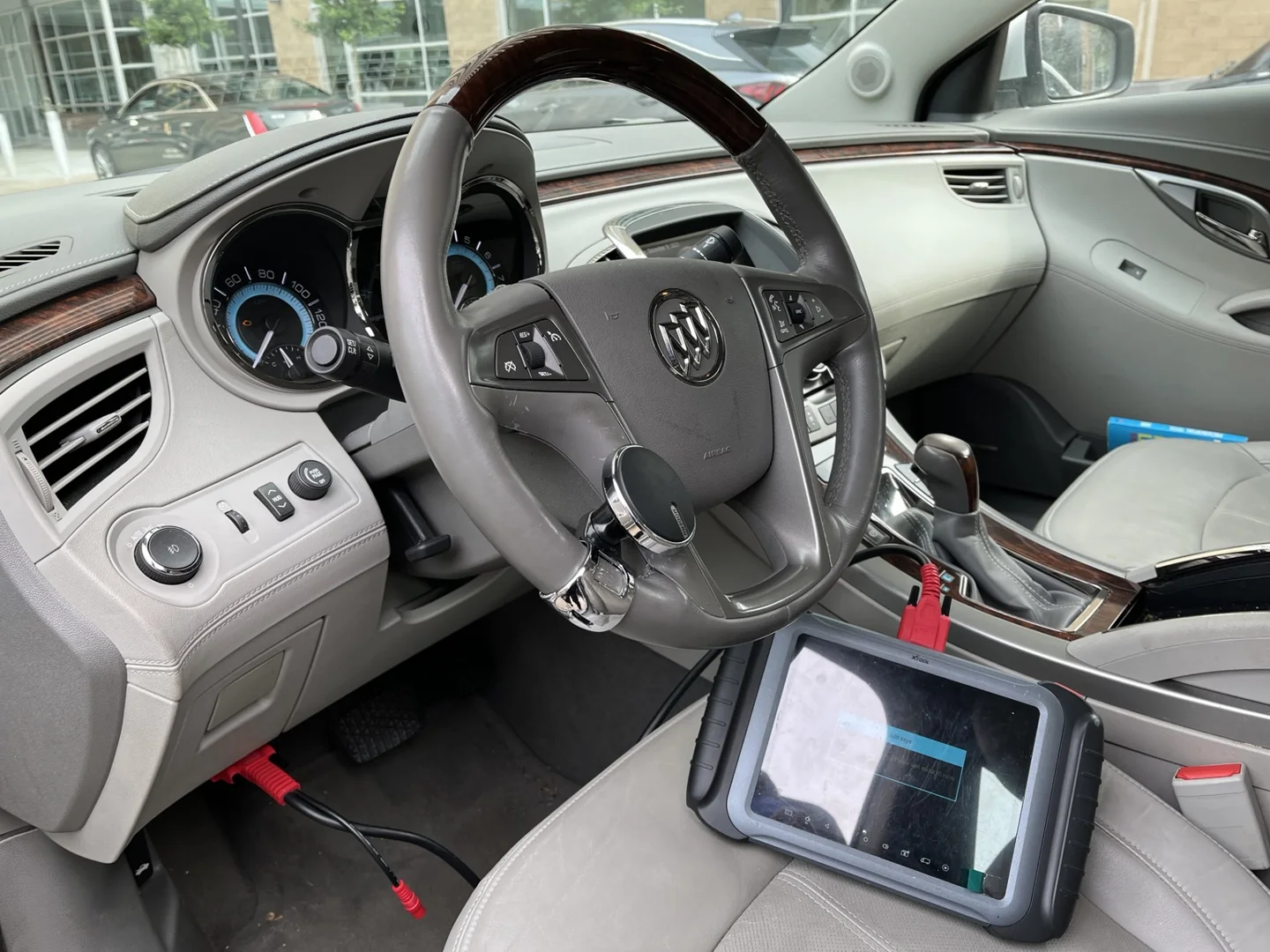
Ignition repair begins with the symptom, not an automatic replacement. A key that will not turn or release can involve the key, the cylinder, related interlocks or a vehicle fault outside locksmith scope.
Describe when the fault happens
Explain whether the key enters, turns partially, becomes stuck or behaves differently with a spare. Note visible key damage and whether the issue began gradually or suddenly. A traditional keyed cylinder and a push-button starting system need different evaluation, so include the vehicle’s ignition type.
Separate lock work from vehicle diagnostics
Mechanical ignition-cylinder wear can cause turning problems, but an engine that does not start may have an unrelated electrical or mechanical cause. The appropriate assessment should establish whether locksmith work is supported or a repair shop is needed. Avoid repeated force that could break a weakened key or worsen cylinder damage.
Agree the replacement and key implications
If replacement is appropriate, ask whether the existing key arrangement can be retained and whether electronic programming is separately required. Parts availability and vehicle configuration affect the answer. Any additional work discovered during assessment should have a revised, approved scope before proceeding.
Avoid assuming every no-start is an ignition fault
Describe whether the key enters, turns, releases and allows normal vehicle operation. A steering-lock, electrical, key-recognition or broader vehicle condition may require a different service path. Do not keep forcing a stuck or bending key. The agreed assessment should identify the fault and explain repair or replacement options before unrelated parts are changed.
What to have ready
• Vehicle year, make, model and ignition type • Whether the key is stuck and how it moves • Spare-key behavior and any warning messages