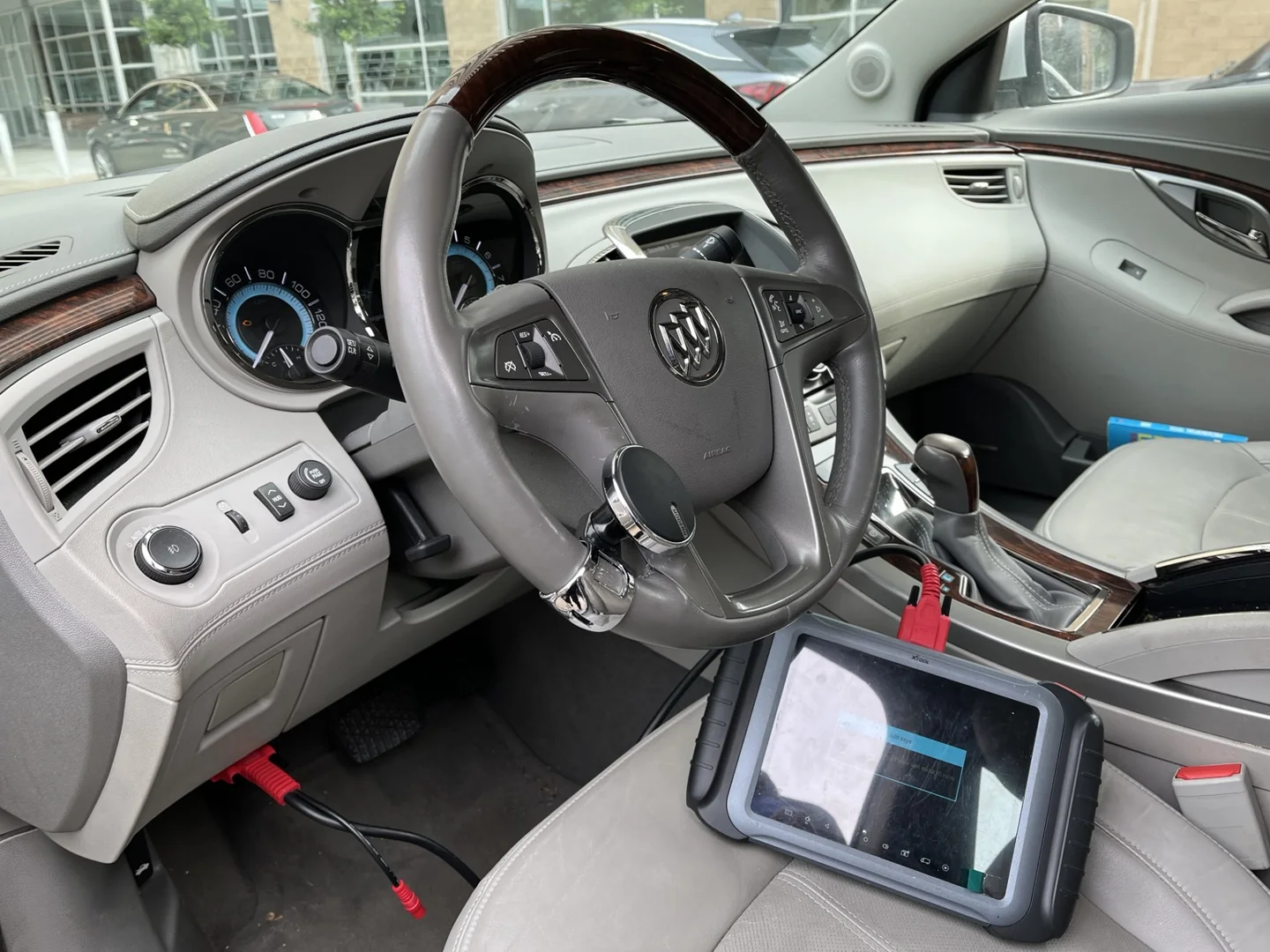
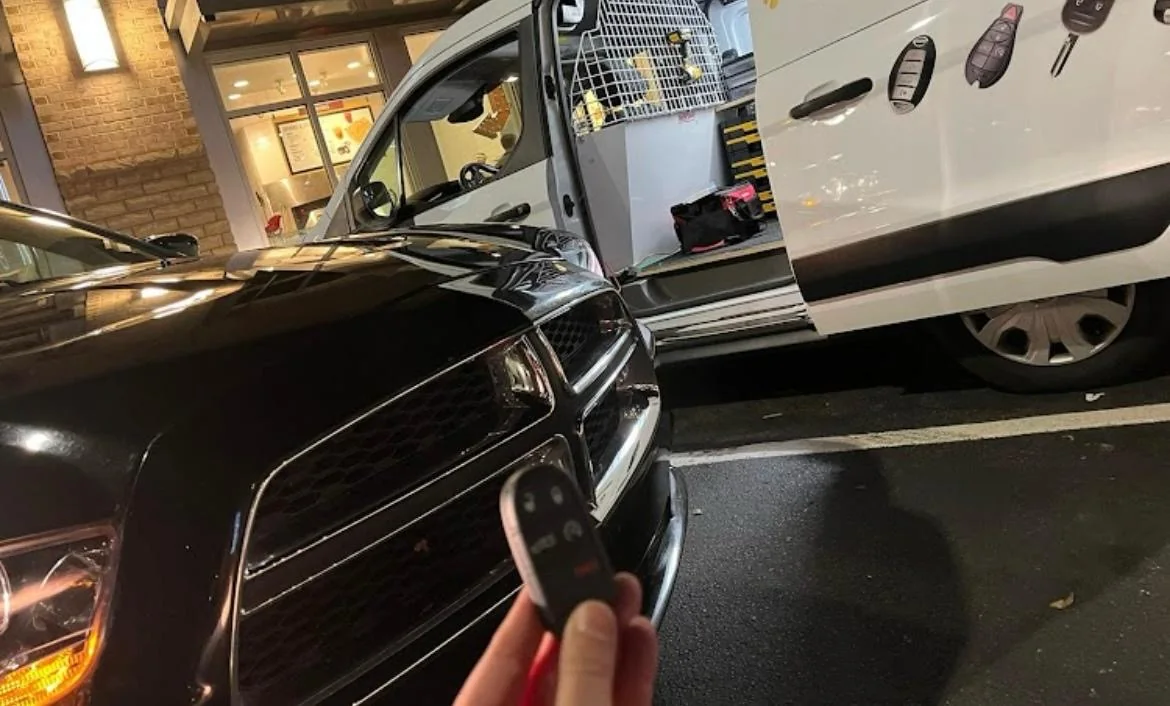
Transponder key programming concerns the vehicle’s electronic recognition of a key. A correctly cut blade can operate a cylinder while the immobilizer still does not authorize starting.
Identify the mechanical and electronic symptoms
Describe whether the key turns, whether the engine cranks and whether a key or security warning appears. Tell us if a second key works normally. These observations help distinguish a key-recognition concern from a mechanical ignition problem or an unrelated vehicle starting fault.
Confirm the supported system
Vehicle year, make, model and key type determine the relevant procedure and parts. Some manufacturer procedures require existing programmed keys or dealer equipment. EZ Locksmith must confirm capability for the specific vehicle; there is no universal programming promise across every manufacturer and model year.
Keep every authorized key in view
Ask which existing keys must be present and how the proposed procedure affects them. If a key was lost or stolen, discuss whether the vehicle supports removing its electronic authorization. Keep security labels and codes private. Ownership or other valid authority needs to be verified before key-related service.
Separate the blade from electronic recognition
A mechanically cut key and the immobilizer’s recognition of a transponder are different elements. A blade turning in a lock does not prove that the vehicle will authorize starting. Provide the vehicle details and existing-key status so the correct scope can be reviewed. Any programming procedure and required key set depend on the manufacturer’s system and supported equipment.
What to have ready
• Exact vehicle details and current key type • Working spare availability • No-start behavior and displayed messages