
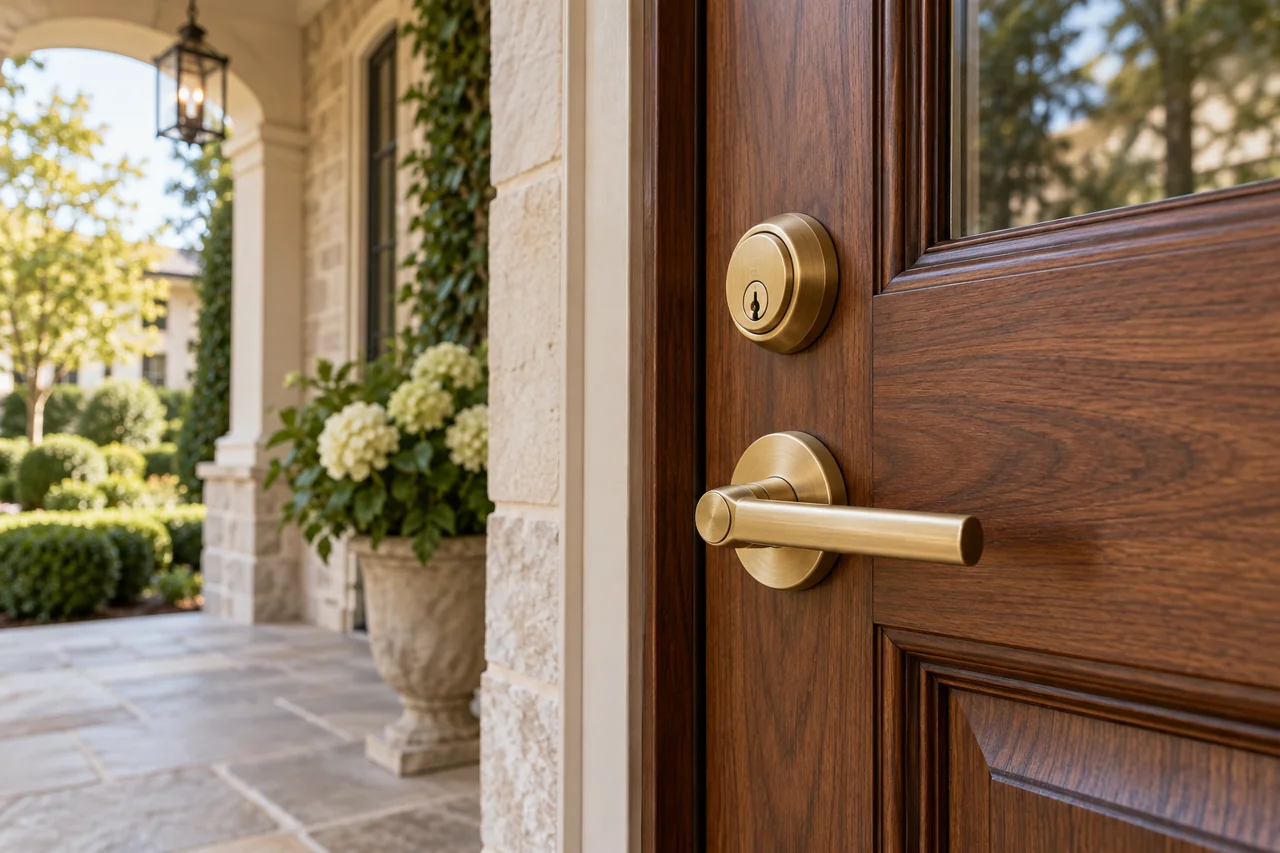
Residential rekeying changes which keys operate compatible locks while keeping usable hardware. It can be a practical option after moving, a missing key or a change in household access, provided the cylinder and lock remain suitable.
Rekeying versus replacing a lock
Rekeying concerns the key-operated cylinder. It does not strengthen a damaged frame, repair a failing latch or change the electronic codes in a smart lock. If a lock is worn or no longer meets the needs of the entrance, replacement may be the better discussion. Assess the entire opening rather than treating every access issue as a cylinder problem.
Can several doors use one key?
Keyed-alike convenience depends on compatible keyways and cylinders. Locks that look similar or have the same finish do not necessarily accept the same key system. An inventory of each exterior door helps determine whether existing hardware can be retained, whether cylinders need changing and how many new keys are required.
Close the loop on old access
Make a list of people who should receive new keys and keep a record of the copies issued. For rentals and shared properties, confirm permission and any landlord key requirements first. If a door has both electronic access and a mechanical key, review both separately so changing one does not leave the other unaddressed.
Plan the new key handover
Count cylinders, not just doors: an entrance can contain more than one key-operated component. Agree how many new copies are required and who will receive them. Identify any master-key relationship or separate garage access beforehand. After the work, test the intended new keys and review which previous access methods remain outside the rekey scope.
What to have ready
• Number of doors and key-operated cylinders • Existing working keys if available • Preference for one compatible key or separate access groups